





Leaf removal is one of the most important yet often overlooked parts of landscape maintenance, especially when it comes to preventing pest infestations and mold growth. When leaves are left to accumulate, they create damp, shaded environments where insects, rodents, and fungi thrive. Over time, this can lead to lawn damage, plant disease, and even structural issues around the property. Understanding the role of leaf removal in pest and mold prevention helps homeowners protect both their landscape health and long-term property value.
Why Fallen Leaves Create Pest Problems
Leaves provide shelter for insects and rodents
Piles of leaves create an ideal hiding and nesting environment for many common pests. Insects such as ants, termites, and beetles often use decomposing organic matter as shelter and food sources. Rodents like mice and rats may also burrow under thick leaf layers for warmth and protection.
Once established, these pests can easily migrate closer to the home, especially if leaf piles are near:
- Foundations
- Decks and patios
- Storage sheds
- Garden beds
According to university extension programs such as those from state agricultural departments, unmanaged organic debris near structures is a common contributing factor to seasonal pest surges.
Moisture retention attracts unwanted activity
Leaves trap moisture underneath them, especially after rainfall or irrigation. This damp environment attracts pests that prefer humid conditions, including:
- Earwigs
- Slugs and snails
- Mosquitoes (which breed in standing moisture pockets)
Reducing leaf buildup removes both shelter and the moisture conditions many pests depend on.
How Leaf Accumulation Leads to Mold and Fungal Growth
Decomposition creates ideal fungal conditions
As leaves break down, they release organic compounds that feed fungal growth. While decomposition is a natural process, excessive leaf coverage accelerates mold formation in ways that can harm your landscape.
Common issues include:
- Lawn suffocation due to blocked sunlight and airflow
- Fungal diseases like snow mold or brown patch
- Surface mold growth on patios and hardscapes
The Environmental Protection Agency (EPA) notes that mold growth is strongly linked to prolonged moisture exposure and organic buildup in shaded environments. Leaf piles create both conditions simultaneously.
Reduced airflow damages turf health
Healthy grass depends on sunlight and airflow. When leaves form a thick layer over turf, they block both, weakening the grass and making it more susceptible to disease. Over time, this can lead to thinning patches and dead zones in the lawn.
Impact on Lawn Health and Soil Balance
Grass suffocation and nutrient imbalance
A light layer of leaves can sometimes act as mulch, but thick coverage prevents proper gas exchange between soil and air. This suffocation effect weakens root systems and slows down nutrient absorption.
Consequences include:
- Yellowing or dead grass patches
- Reduced root strength
- Increased vulnerability to disease and pests
When decomposition becomes excessive, it can also alter soil pH balance, further stressing turf health.
Weed growth and invasive plants
Unmanaged leaf layers can encourage weed growth by creating uneven light distribution. Some weed species thrive in disturbed soil conditions created by decaying organic matter, leading to increased competition with grass and ornamental plants.
Drainage Problems Caused by Leaf Buildup
Blocked water flow increases standing moisture
Leaves often collect in low points of the yard, along driveways, and in drainage channels. When water cannot flow properly, it pools and creates ideal breeding conditions for mosquitoes and mold.
This is especially problematic in areas near:
- Downspouts and gutters
- Drainage swales
- Walkway edges
- Foundation perimeters
Gutter overflow and roof-related risks
One of the most overlooked consequences of leaf buildup is clogged gutters. When gutters are blocked, water can overflow and seep into fascia boards, siding, or even foundations. This increases the risk of both mold growth and structural water damage.
Regular leaf removal significantly reduces the likelihood of these issues by keeping drainage systems clear and functional.
Seasonal Timing for Effective Leaf Removal
Fall is the most critical season
The majority of leaf accumulation occurs in autumn, making it the most important time for consistent cleanup. Waiting too long allows leaves to compact, making removal more difficult and increasing moisture retention.
Recommended fall practices include:
- Weekly or biweekly raking during peak shedding periods
- Mulching leaves in light layers if appropriate
- Clearing gutters and drainage areas regularly
Winter and early spring follow-up
Even after peak leaf drop, residual debris can remain trapped in turf and garden beds. Winter and early spring cleanups help prevent mold outbreaks and prepare the landscape for new growth.
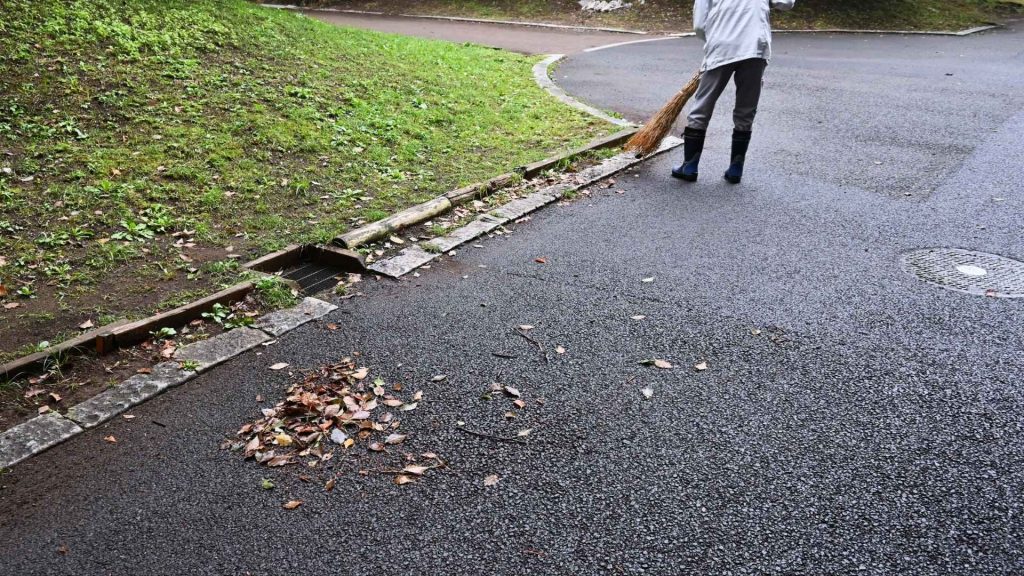
Best Practices for Preventing Pest and Mold Issues
Regular leaf removal schedule
Consistency is more effective than one-time cleanups. Establishing a routine helps prevent buildup from ever reaching problematic levels.
Effective strategies include:
- Removing leaves before they become wet and compacted
- Using mulching mowers for light leaf coverage
- Blowing leaves away from structures and drainage areas
Proper disposal or composting
Leaves should be disposed of or composted properly to avoid reinfestation issues. Composting is beneficial when done correctly, but piles should be located away from the home and maintained to prevent pests.
Combine with broader landscape maintenance
Leaf removal is most effective when paired with:
- Lawn aeration
- Seasonal fertilization
- Pruning of overgrown shrubs and trees
- Irrigation adjustments to reduce excess moisture
Professional vs DIY Leaf Removal
When DIY is sufficient
Homeowners can typically manage leaf removal on smaller properties or during light seasonal drop. Basic tools such as rakes, leaf blowers, and lawn mowers are often enough for routine maintenance.
When professional service is beneficial
Professional landscape maintenance becomes important when:
- Properties have large tree coverage
- Leaves accumulate faster than they can be removed
- Drainage or pest issues are already present
- Hard-to-reach areas are involved, such as steep slopes or dense plant beds
Professionals also ensure that leaf removal is integrated with overall landscape health strategies, not just surface cleanup.
Read also: 10 Practical Ways to Keep Your Lawn Healthy and Well-Maintained
Protect Your Landscape Year-Round with Consistent Leaf Removal
Leaf removal is essential for maintaining a healthy and well-balanced outdoor environment. Excess leaf buildup can trap moisture, encourage mold growth, and create ideal conditions for pests to thrive. Keeping your property clear helps preserve both turf health and surrounding landscape structures.
Routine cleanup also improves drainage and supports stronger, more consistent plant growth throughout the seasons. When integrated into a regular maintenance plan, it reduces long-term damage and keeps outdoor spaces more manageable. For dependable service and lasting results, contact or reach Ricky’s Lawn and Landscaping to schedule professional leaf removal.