




Landscape maintenance plays a critical role in protecting and increasing long-term property value by keeping outdoor spaces healthy, functional, and visually appealing. A well-maintained landscape not only enhances curb appeal but also signals proper property care to potential buyers and appraisers. Without consistent upkeep, even high-end landscaping investments can quickly decline in both appearance and value. Understanding how maintenance impacts property value helps homeowners make smarter long-term decisions for their outdoor spaces.
Why Landscape Maintenance Matters for Property Value
First impressions drive real estate value
Real estate professionals consistently note that curb appeal is one of the strongest influences on buyer perception. According to the National Association of Realtors (NAR), strong landscaping can increase perceived home value and significantly improve buyer interest during showings. Overgrown lawns, dead plants, or cracked hardscape surfaces often create the opposite effect, suggesting neglect and hidden costs.
A well-maintained landscape communicates:
- Regular property care
- Lower perceived risk of hidden maintenance issues
- Pride of ownership
Preventing costly long-term damage
Routine maintenance is not just cosmetic. It protects structural and living elements of the landscape from deterioration.
For example:
- Irrigation system upkeep prevents water waste and plant loss
- Seasonal pruning prevents tree limb failure and property damage
- Weed control prevents invasive species from damaging turf and garden beds
- Hardscape sealing helps protect pavers and concrete from weathering
Neglecting these tasks often leads to higher replacement costs compared to routine maintenance expenses.
Key Components of Effective Landscape Maintenance
Lawn care and turf health
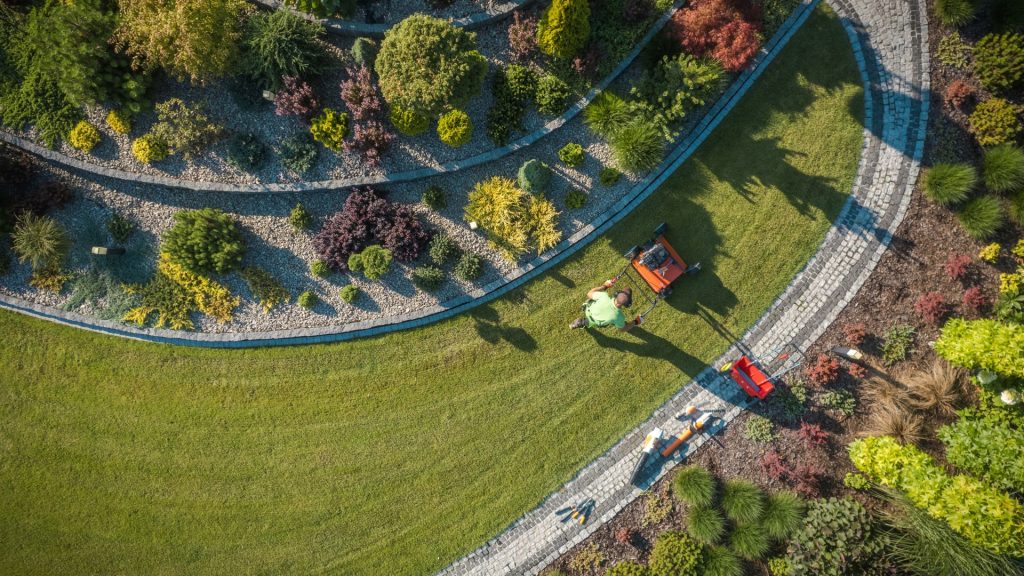
Healthy turf is one of the most visible indicators of property care. Proper mowing height, fertilization, aeration, and watering schedules all contribute to long-term lawn resilience.
Professional landscapers often recommend:
- Mowing regularly without cutting more than one-third of the grass blade
- Seasonal fertilization tailored to grass type and climate
- Aeration once or twice per year to reduce soil compaction
- Deep, infrequent watering to encourage stronger root systems
These practices improve drought resistance and reduce patchy growth over time.
Tree and shrub management
Trees and shrubs are long-term investments that require structured care. Improper pruning or neglect can reduce their lifespan and increase safety risks.
Proper maintenance includes:
- Structural pruning for healthy growth patterns
- Removal of dead or diseased branches
- Monitoring for pests and disease early
- Ensuring proper spacing to avoid overcrowding
Healthy trees can significantly enhance property value, while poorly maintained ones can become liabilities.
Irrigation system efficiency
Water management is a key factor in both landscape health and cost control. Faulty irrigation systems often lead to overwatering, underwatering, or uneven coverage.
Regular maintenance ensures:
- Proper sprinkler alignment and coverage
- Leak detection and repair
- Seasonal adjustments based on rainfall and temperature
- Efficient water use that reduces utility costs
Efficient irrigation systems also support sustainable landscaping practices, which are increasingly valued in modern real estate markets.
Hardscape Maintenance and Its Value Impact
Protecting patios, walkways, and retaining walls
Hardscaping features such as patios, walkways, and retaining walls are major investments that directly influence property value. However, they require maintenance to preserve both appearance and structural integrity.
Common maintenance tasks include:
- Pressure washing to remove dirt and algae buildup
- Sealing pavers or concrete surfaces to prevent moisture damage
- Re-sanding joints in paver installations
- Inspecting retaining walls for shifting or cracking
Neglected hardscape elements can quickly make an otherwise attractive property appear aged or unsafe.
Safety and liability considerations
Well-maintained hardscapes reduce the risk of trip hazards and structural failures. Uneven pavers, loose stones, or cracked concrete can become liability concerns for homeowners. Regular inspections help identify issues early, preventing accidents and costly repairs.
Seasonal Maintenance and Long-Term Planning
Spring and summer care
During active growing seasons, landscapes require frequent attention. This includes mowing, fertilizing, pruning, and irrigation adjustments to match higher temperatures and plant growth cycles.
Fall preparation
Fall maintenance focuses on preparing the landscape for dormancy. Key tasks include leaf removal, final fertilization, pruning, and irrigation winterization in colder climates.
Winter protection strategies
Even in mild climates, winter preparation helps protect long-term plant health. Mulching, frost protection for sensitive plants, and reduced irrigation schedules all contribute to seasonal resilience.
Financial Benefits of Consistent Maintenance
Increased resale value
A well-maintained landscape can increase property value by as much as 10 to 15 percent in some markets, depending on location and design quality. Buyers often associate strong landscaping with lower future repair costs and better overall property management.
Reduced replacement costs
Routine maintenance helps extend the lifespan of:
- Lawns and plantings
- Irrigation systems
- Paver patios and walkways
- Outdoor lighting systems
This reduces the need for expensive full replacements, which are significantly higher than maintenance costs over time.
Energy efficiency and environmental impact
Strategically maintained landscapes can also improve energy efficiency. For example, healthy trees provide shade that reduces cooling costs, while proper grading and drainage prevent water waste and erosion.
Read also: 12 Smart Ideas to Enhance Your Outdoor Space Year-Round
Keep Your Landscape Protected and Beautiful Year-Round
Landscape maintenance is essential for preserving property value and long-term curb appeal. Regular care improves lawn health, protects hardscape features, and prevents costly repairs. A structured maintenance plan ensures your outdoor space stays functional and visually consistent throughout the year.
Professional landscaping support helps streamline seasonal upkeep and ensures every element of your property is properly managed. Services such as irrigation checks, pruning, and turf care keep your landscape performing at its best. For reliable results, contact or reach Ricky’s Lawn and Landscaping to build a customized maintenance plan that fits your property.